Technical Session · III
Planetary Environmental Challenges and Cooperation
đź“…
Date
Sunday, 20th September 2026
đź•‘
Time
10:30 AM – 12:00 NOON
📍
Venue
Vigyan Bhawan, New Delhi, India

About the Session

To examine the interconnected nature of global environmental challenges and strengthen cooperative legal, policy, and governance frameworks that promote collective action, equitable resource management, and effective regional and international collaboration for environmental sustainability.

Expected Outcomes

Enhanced understanding of the transboundary and interconnected nature of environmental challenges.

Identification of cooperative legal and governance approaches for addressing shared environmental risks.

Strengthened regional and international collaboration for sustainable resource management and environmental protection.

Action-oriented recommendations for improving global environmental governance and multilateral cooperation.

Sub Topics

01

Interconnected impacts of climate change and environmental degradation

The objective is to explore the interlinkages between climate change, biodiversity loss, land degradation, pollution, water scarcity, and ecosystem decline, and assess integrated legal and policy responses that address these interconnected environmental challenges.

02

Shared natural resources, responsibilities and managing competing national interests

The objective is to examine legal principles and governance mechanisms for the equitable, sustainable, and peaceful management of shared natural resources while balancing national development priorities with collective environmental responsibilities.

03

Regional and international best practices, transboundary cooperation mechanisms & global harmony and resolution across jurisdictions

The objective is to identify and evaluate successful regional and international legal frameworks, institutional models, and policy innovations that have effectively addressed shared environmental challenges and promoted sustainable development. To explore legal, institutional, and diplomatic mechanisms that facilitate cooperation among countries in preventing, managing, and resolving transboundary environmental issues, including shared water resources, air pollution, biodiversity conservation, marine ecosystems, and climate impacts. To foster international, regional, and sub-national cooperation by promoting policy coherence, knowledge exchange, and collaborative mechanisms that address transboundary climate challenges while ensuring equitable responsibility-sharing and effective implementation of climate commitments.

Programme

Time
Programme
10:30 am to 10:35 am

Arrival of dignitaries & welcome

10:35 am to 10:45 am

Opening remarks by Chair

Hon'ble Mr. Justice Joymalya Bagchi

Judge, Supreme Court of India

Justice Joymalya Bagchi
10:45 am to 10:55 am

Remarks by Co-Chair

Hon'ble Ms. Justice Sapana Pradhan Malla

Judge, Supreme Court of Nepal

Sapana Pradhan Malla
10:55 am to 11:05 am

Hon'ble Ms. Justice Nambitha Dambuza

Judge, Supreme Court of Appeal, South Africa

Nambitha Dambuza
Panel Discussion
11:05 am to 11:13 am

Interconnected impacts of climate change and environmental degradation

Mr. Shyam Divan

Senior Advocate, Supreme Court of India
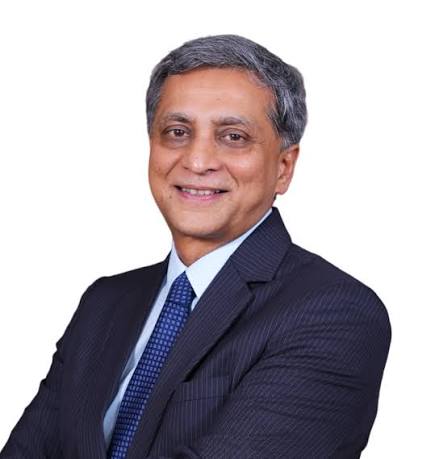
Shyam Divan
11:13 am to 11:21 am

Shared natural resources, responsibilities and managing competing national interests

Ms. Philippa Cullet

Professor, National Law University, Delhi/United Kingdom

Philippa Cullet
11:21 am to 11:29 am

Regional and international best practices, transboundary cooperation mechanisms & global harmony and resolution across jurisdictions

Dr. Balakrishna Pisupati

Head UNEP - India

Balakrishna Pisupati
11:29 am to 11:45 am
11:45 am to 12:00 Noon

Open interaction (if time permits)

Closing remarks by the Chair

Conference emblem
Vote of thanks
12:00 Noon to 12:30 PM High Tea